
Queen's Staircase & Fort Fincastle
History, How to Get There & Local Tips
66 hand-carved steps · Free admission · 15 min from the port · Panoramic views of Nassau
Queen's Staircase and Fort Fincastle are two of Nassau's most important historic landmarks. Just a short walk from the cruise port, they offer a rare combination of colonial history, sweeping views, and a cultural experience no traveler should miss — and admission is completely free. This guide covers everything: the story behind the 66 steps, how to get there from the port, hours, and tips for making the most of your visit.
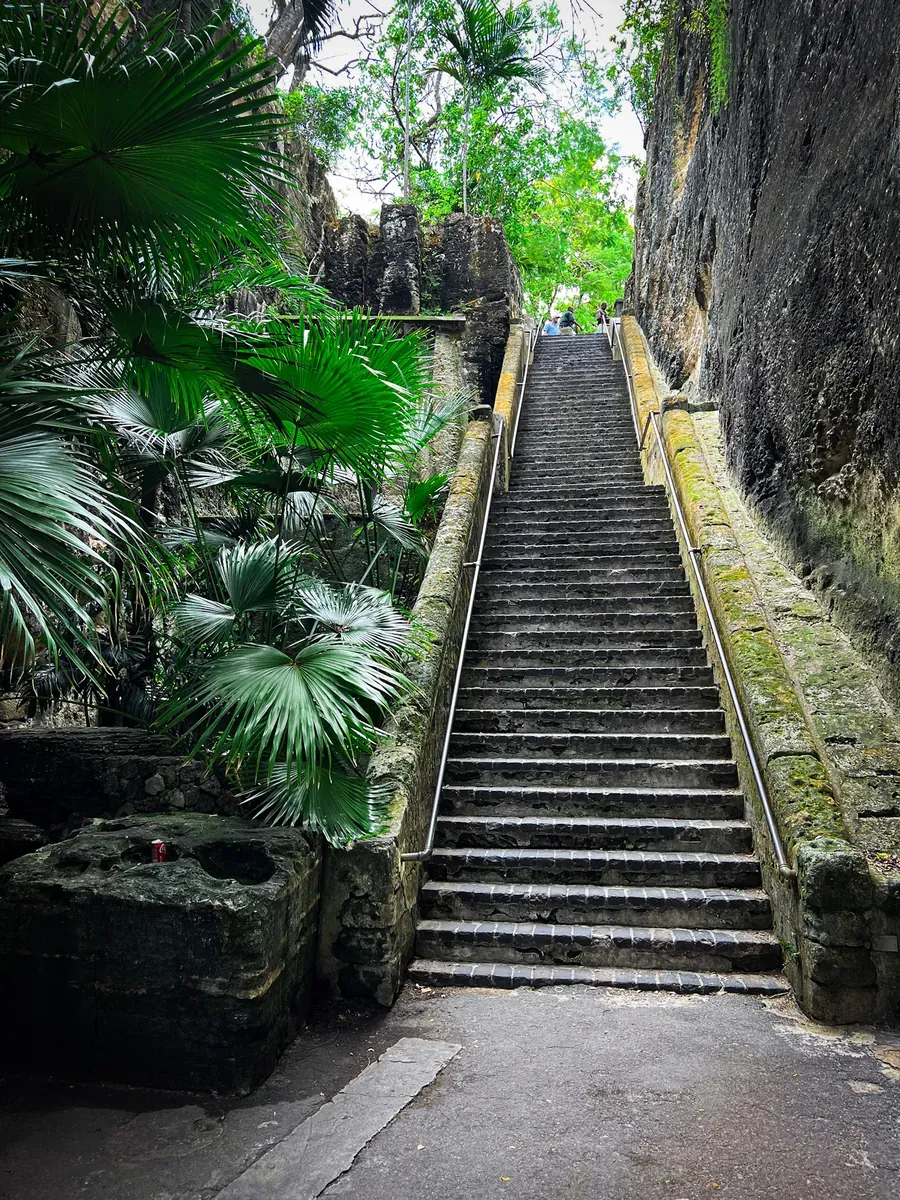
🏛️ Queen's Staircase: History & Significance
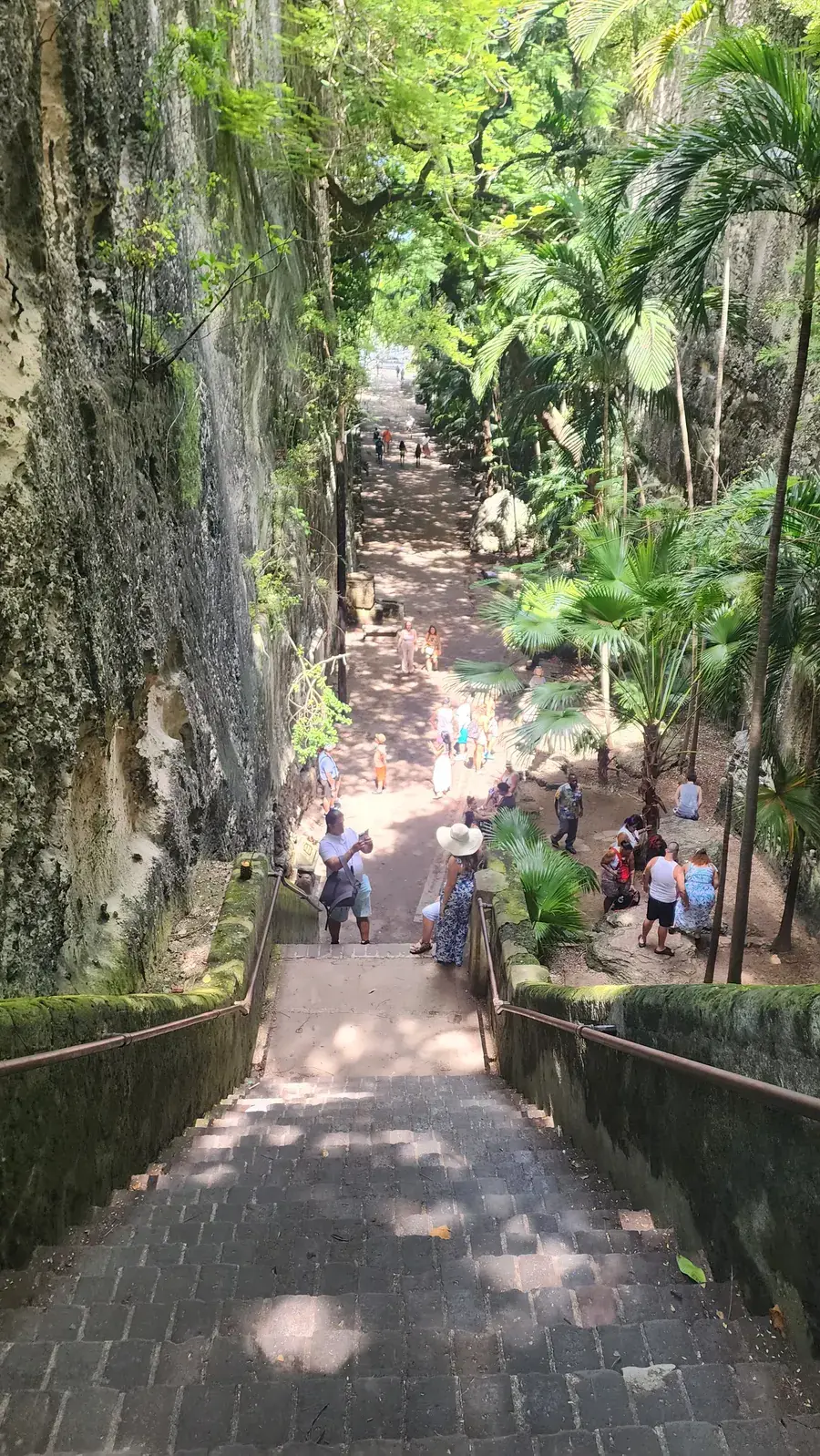
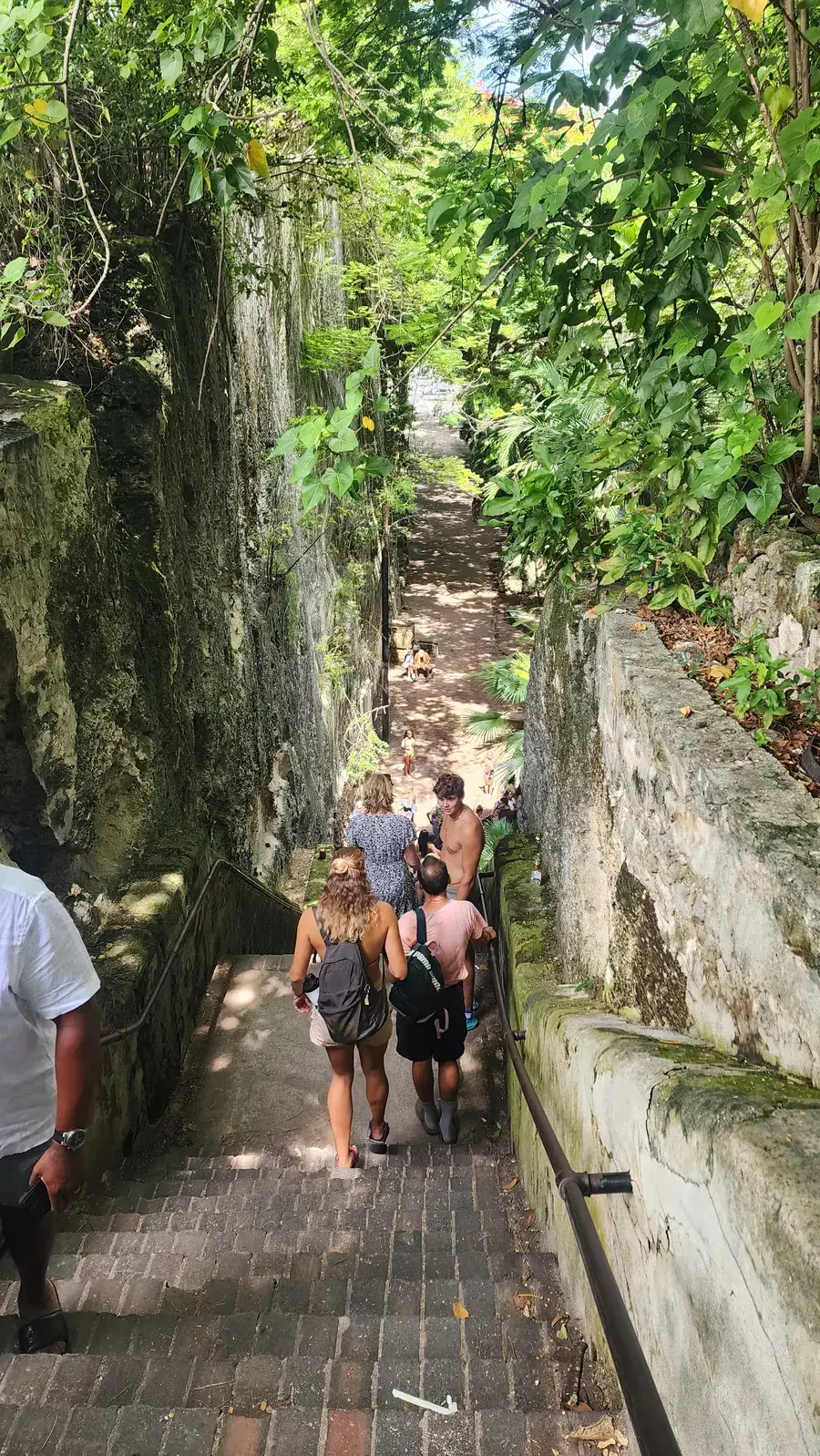
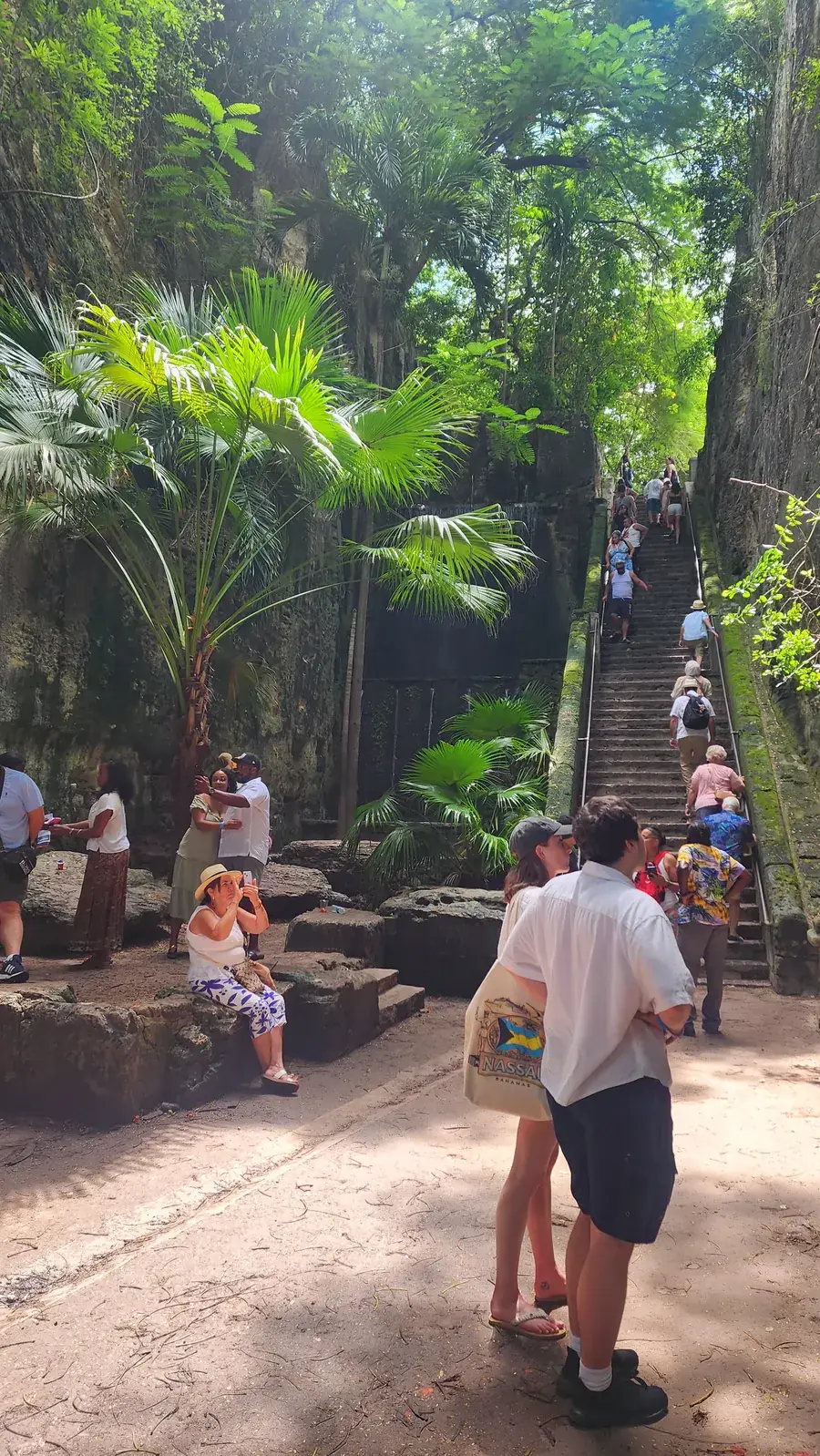
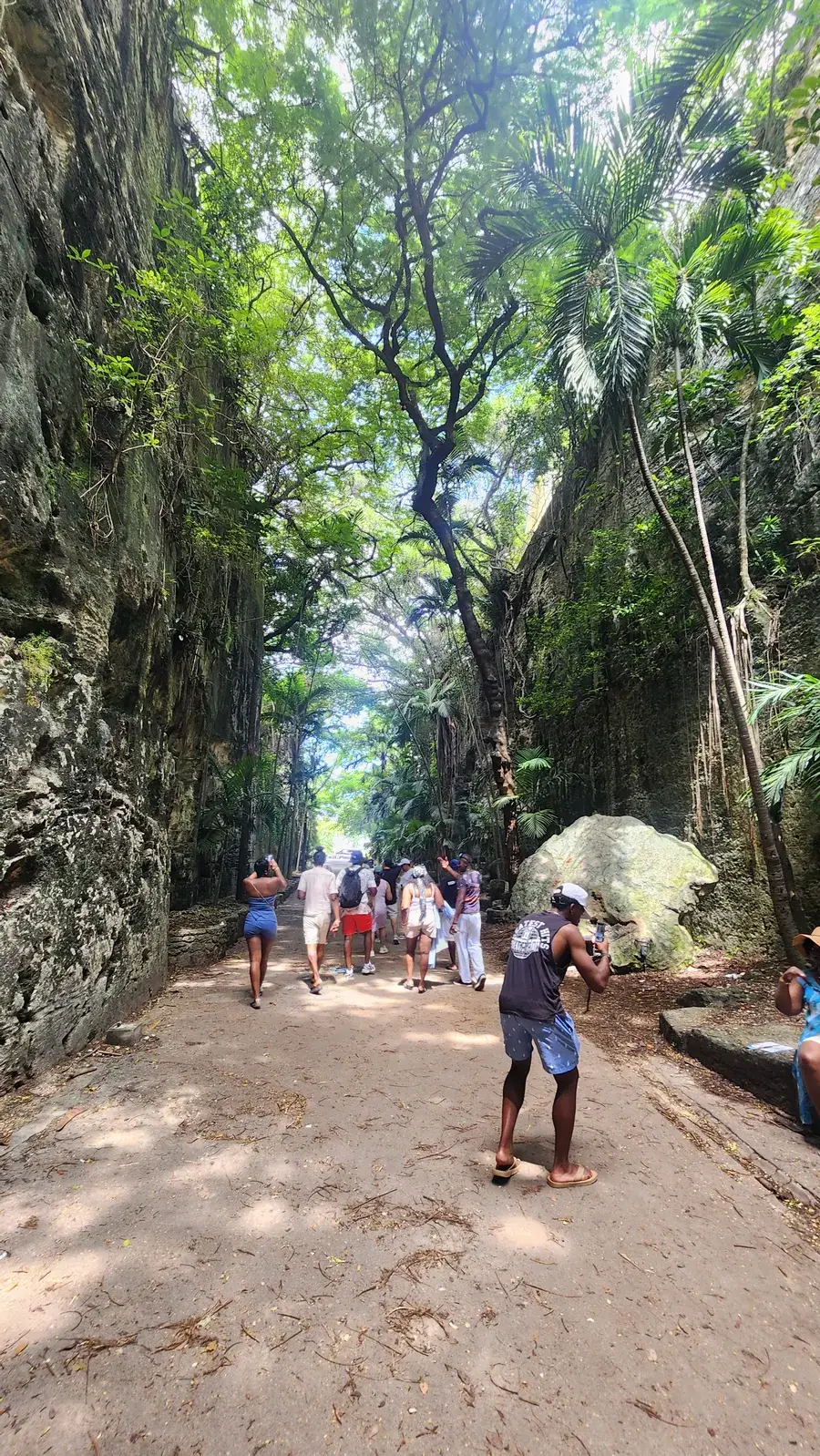
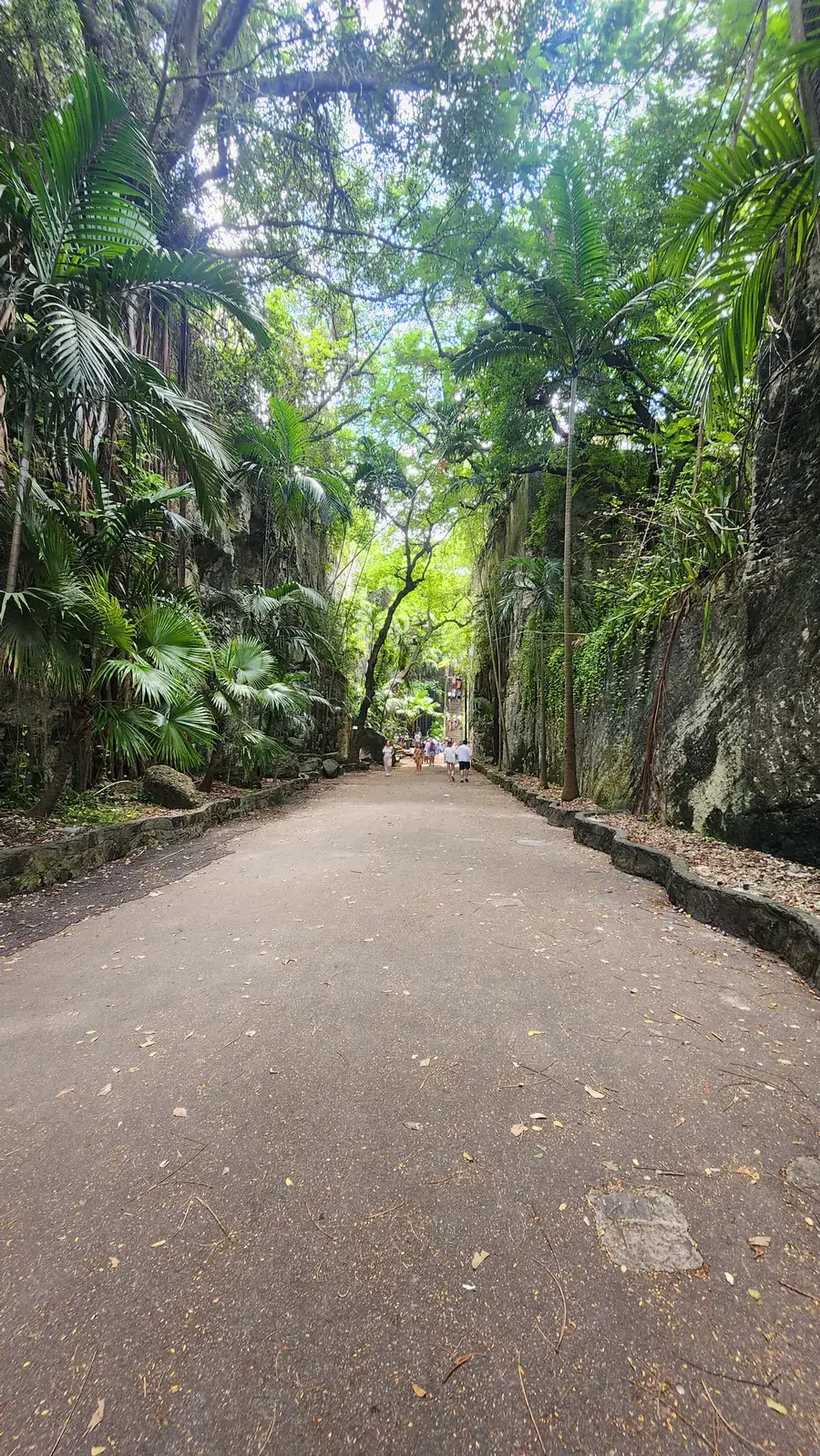
The Queen's Staircase was carved from solid limestone in 1793–1794 by around 600 enslaved people, as a direct route between downtown Nassau and what is now Fort Fincastle. It was originally 66 steps, hence the nickname The 66 Steps, though paving later buried the top ones: today you'll count 64 or 65 depending on how you measure. The waterfall running alongside and the natural rock walls make it one of the most photogenic spots in the city.
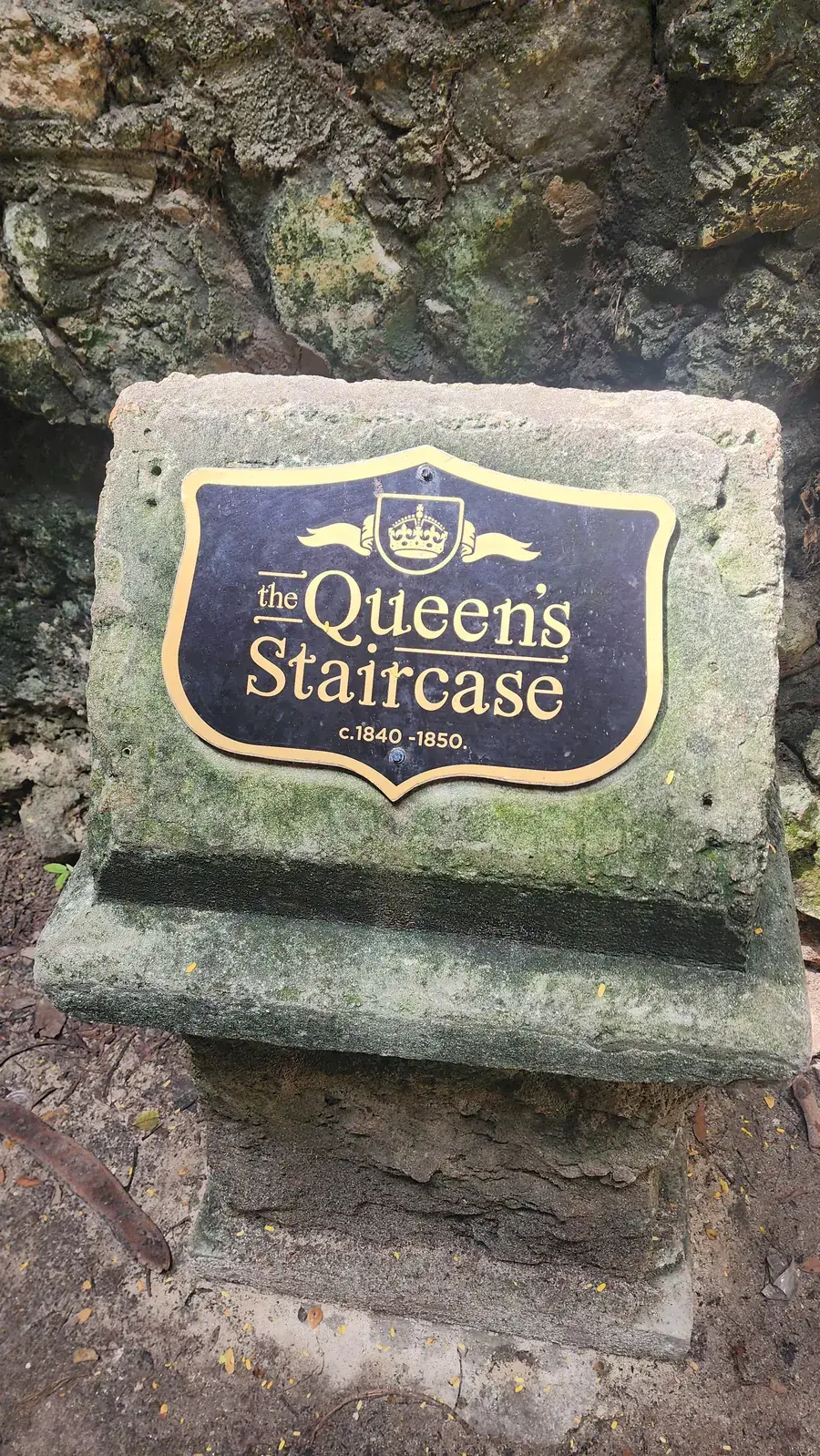
The official on-site plaque, which I photographed in September 2026, says 64 visible steps and credits free men of African descent in the 1830s. The most cited historical records place the work in 1793–1794 with enslaved labor. I'm giving you both versions because both are written in Nassau. It stands 31 meters tall and is named after Queen Victoria, crowned in 1837. Today it stands as a living reminder of the Bahamas' colonial past and one of Nassau's most visited sites.
A tourist legend claims each step represents a year of Queen Victoria's reign. Impossible: the staircase was carved in 1793–94, decades before she took the throne in 1837.
What the official plaque says today
Named after Queen Victoria, crowned in 1837. Material: limestone. Built in the 1830s by free men of African descent, in the remains of a quarry. Nickname: The 66 Steps. 31 m tall. Connects Fort Fincastle to the city. Paving reduced the visible steps to 64. — Plaque photographed on-site, September 2026.
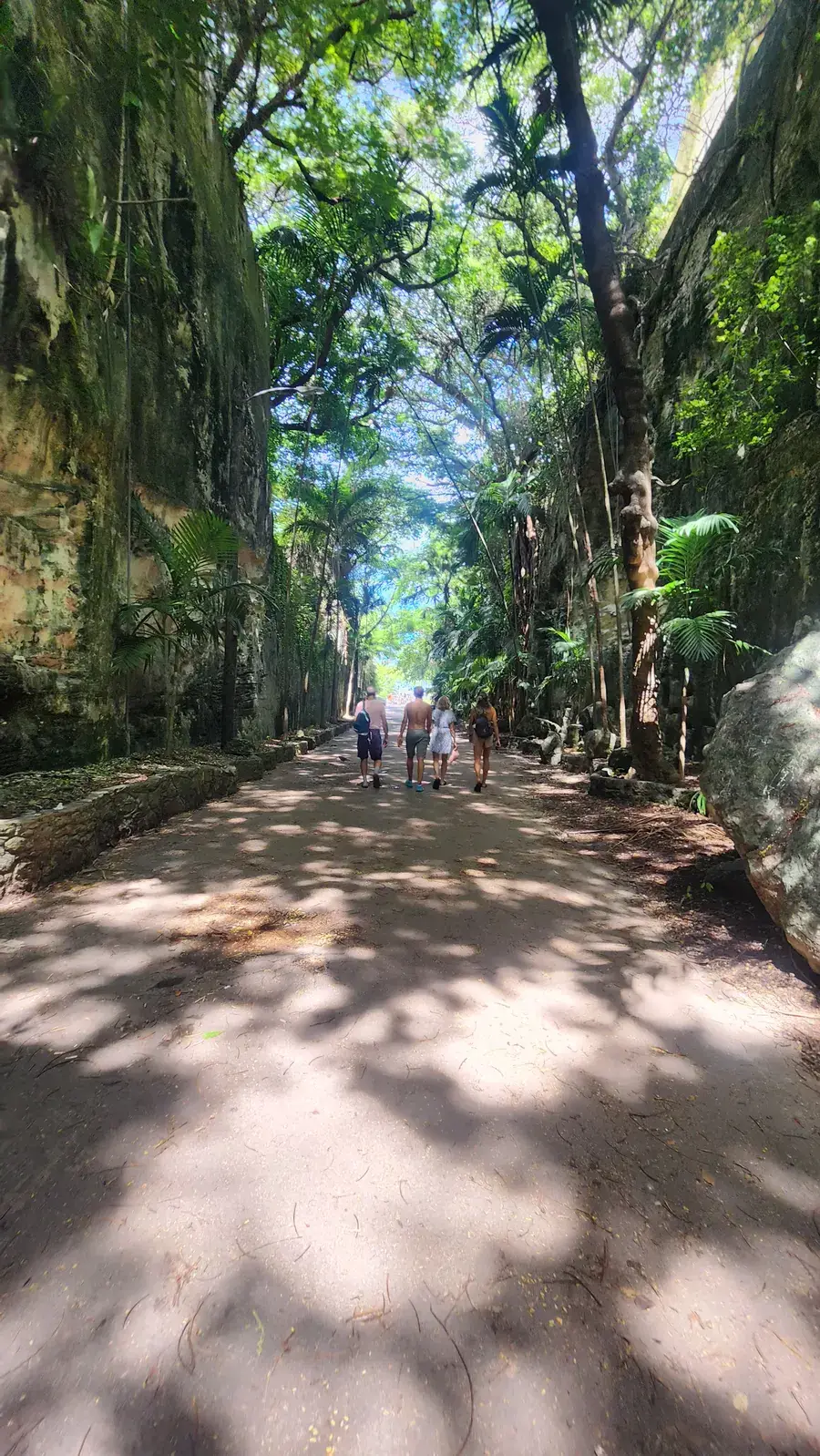
⚓ Fort Fincastle: The Steamship-Shaped Fort
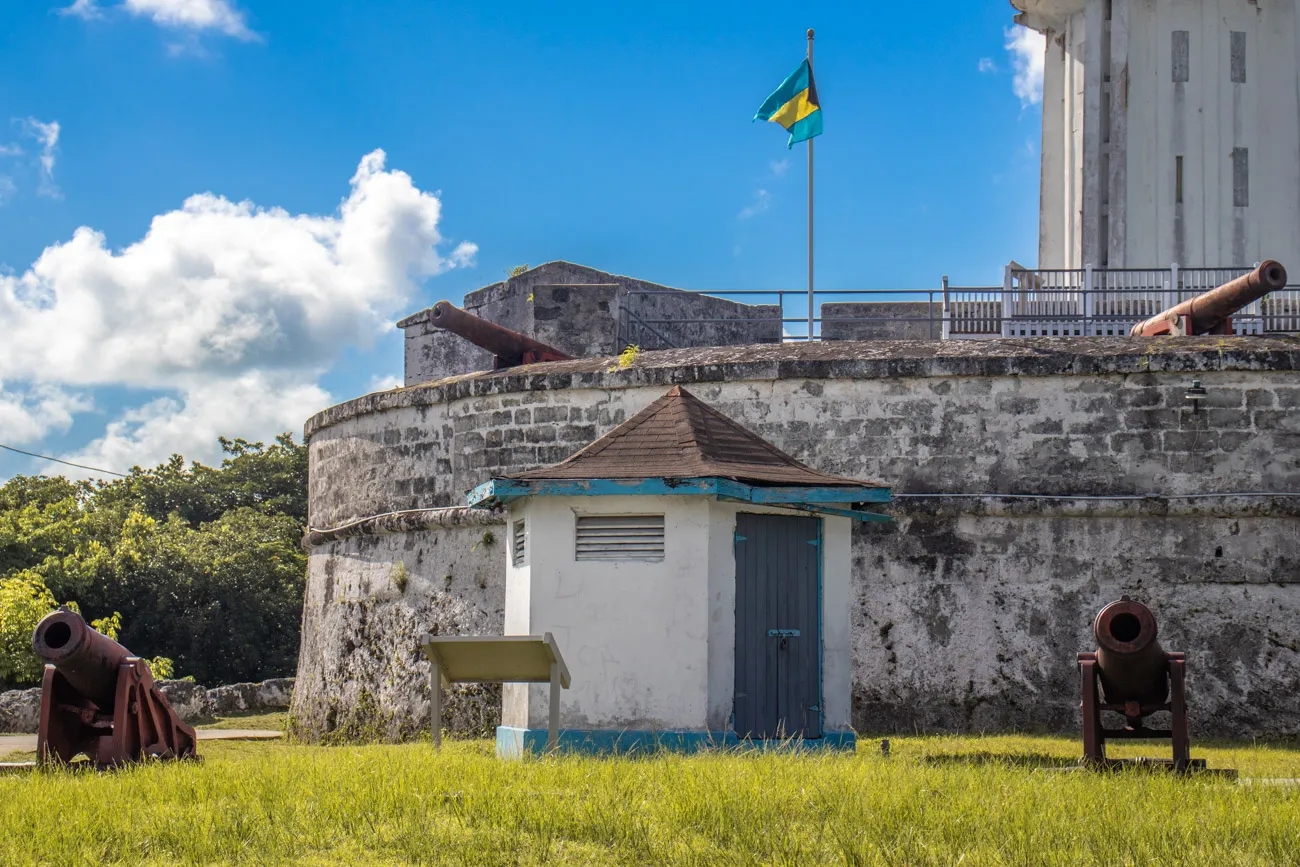
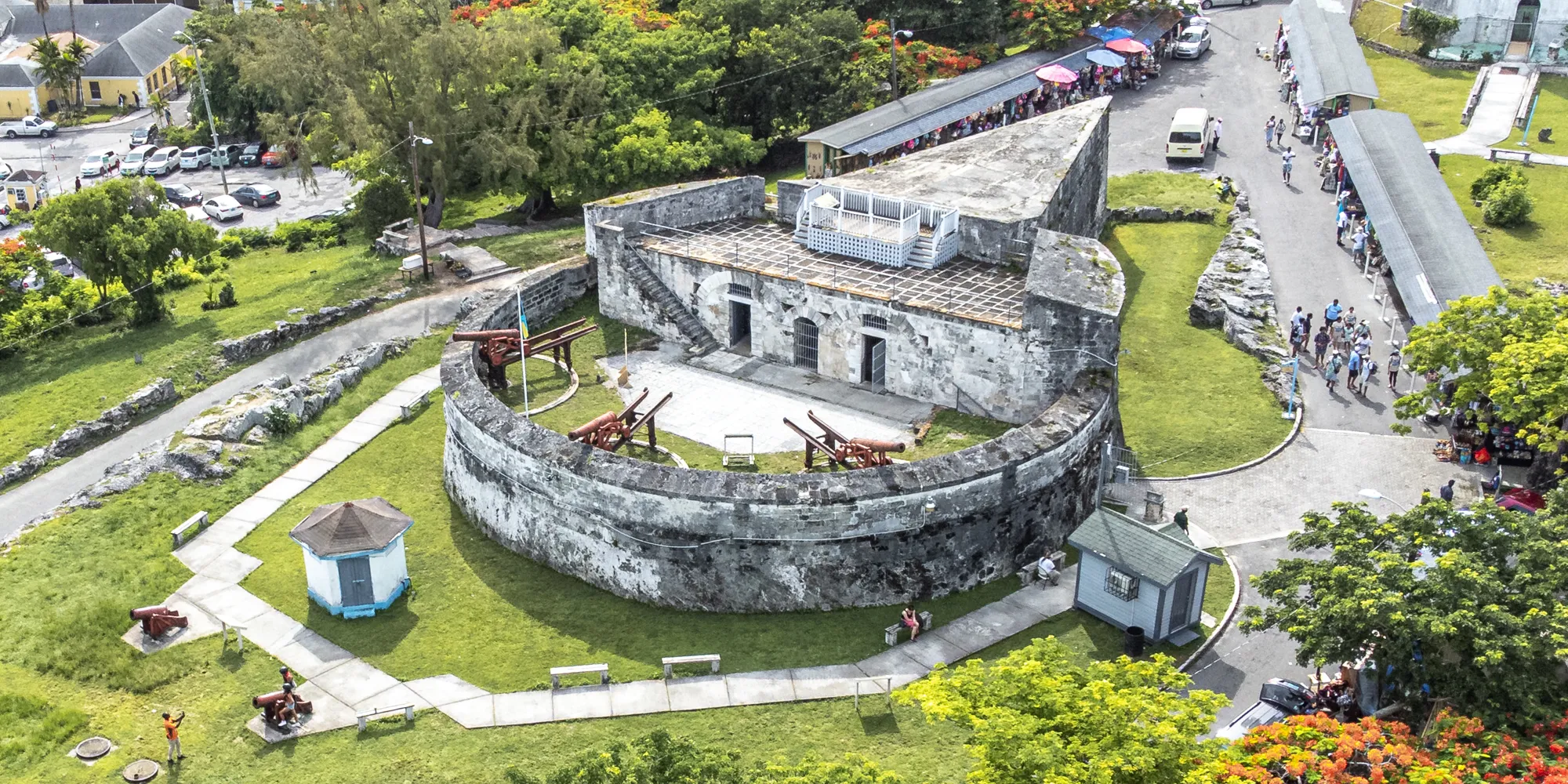
Fort Fincastle was built in 1793 by Lord Dunmore, then Governor of the Bahamas, to defend Nassau against potential pirate and naval attacks. Its design is unique in the Caribbean: it's shaped like the bow of a steamship, making it instantly recognizable from the air and from a distance.
Sitting at the top of Bennett's Hill, 38 meters above sea level, it offers the best panoramic views in Nassau — the harbor, Paradise Island, the Atlantic Ocean, and the entire colonial city below. It's the highest point in historic downtown Nassau. The fort was never attacked in battle, but its presence was enough to keep pirates and enemy fleets at bay throughout the 18th century.
💰 Prices & Hours 2026
| Attraction | Price | Hours |
|---|---|---|
| 🏛️ Queen's Staircase | Free | 24 hrs (recommended 8 AM–6 PM) |
| ⚓ Fort Fincastle | ~$1–2 USD | Mon–Sat · 8:00 AM – 4:00 PM |
* Bring cash in USD. Prices may vary. Queen's Staircase is always free.
🗺️ How to Get There from the Cruise Port
Queen's Staircase is just 0.75 miles from the port exit — about a 15–20 minute walk. The route is simple, safe, and takes you right through Nassau's historic downtown.
🚶 Walking route (recommended)
🚕 Other transport options
📸 What to See & Do on Your Visit
💡 Tips for Getting the Most Out of Your Visit
📜 The Weight of History: Slavery & Colonial Legacy
The story of Queen's Staircase is deeply tied to the history of slavery in the Bahamas. All 66 steps were chiseled out of solid rock by enslaved people — grueling labor that was part of the broader British colonial defense system. In 1834, when the British Empire abolished slavery, the staircase was renamed in honor of Queen Victoria as a symbol of that historic turning point.
Fort Fincastle, built in the same year by Lord Dunmore, was never attacked. Its presence alone was enough to deter the pirates who roamed the Caribbean. The name comes from Dunmore's title as Viscount Fincastle, and the fort is part of a network of three fortifications that protected Nassau during the 18th century, alongside Fort Charlotte and Fort Montagu.
Visiting these places today is an opportunity to understand the full complexity of Caribbean history: British colonization, slavery, and the eventual emancipation that shaped Bahamian national identity.
⭐ Is It Worth the Visit?
Absolutely. Queen's Staircase and Fort Fincastle are free (or nearly free), a 15-minute walk from the port, and offer an experience no resort can replicate: real history, carved by hand, with views that remind you Nassau is so much more than beaches and casinos.
For cruise passengers with only a few hours in Nassau, this historic block combined with the Fish Fry at Arawak Cay makes the perfect itinerary: history in the morning, local food at noon, and beaches in the afternoon if time allows.
Want to explore more of Nassau after your history stop? David runs private tours to Pig Beach, snorkeling trips, and vehicle rentals so you can see the island at your own pace.
🚤 See All of David's ToursQuestions About Nassau?
David is a local guide born and raised in Nassau. He answers in minutes on WhatsApp with real advice — no scripts, no runaround.